



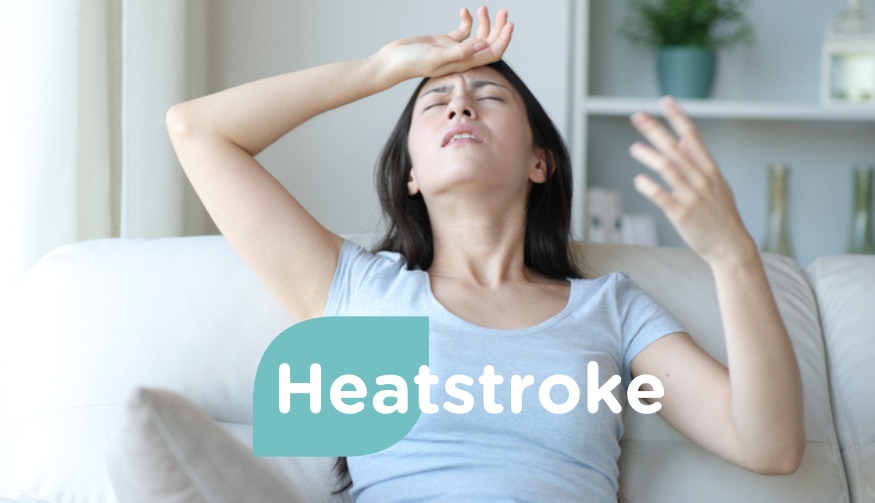
As summer temperatures soar, the risk of heat-related illnesses increases significantly. Two of the most common and potentially dangerous conditions are heat exhaustion and heatstroke. While both are caused by prolonged exposure to high temperatures and dehydration, there are crucial differences between the two that everyone should understand. Knowing how to identify and prevent these conditions could be lifesaving.
What is heat exhaustion?
Heat exhaustion is the body’s response to losing excessive water and salt, usually through sweating. It is not as severe as heatstroke but can quickly escalate if left untreated. Heat exhaustion typically occurs after prolonged exposure to high temperatures, especially when coupled with dehydration.
Signs & symptoms of heat exhaustion:
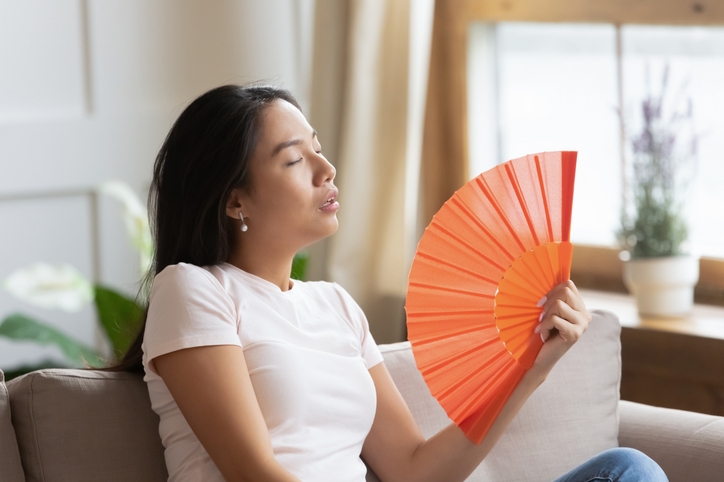
- Heavy sweating
- Weakness or fatigue
- Dizziness or fainting
- Nausea or vomiting
- Pale, clammy skin
- Muscle cramps
- Rapid, weak pulse
- Headache
What is heatstroke?
Heatstroke is a severe medical emergency that occurs when the body’s temperature regulation system fails, and the body temperature rises to dangerous levels. This condition can cause permanent disability or even death if not treated promptly.
Symptoms of heatstroke include:
- Body temperature above 103°F (39.4°C)
- Hot, dry skin (due to stopped sweating)
- Rapid, strong pulse
- Confusion or altered mental state
- Slurred speech
- Loss of consciousness
If you suspect someone is experiencing heatstroke, call emergency services immediately and take steps to cool the person down while waiting for help.
Preventions for heat-related illnesses
Both heat exhaustion and heatstroke can be prevented with proper precautions. Here’s how you can stay safe in hot weather:
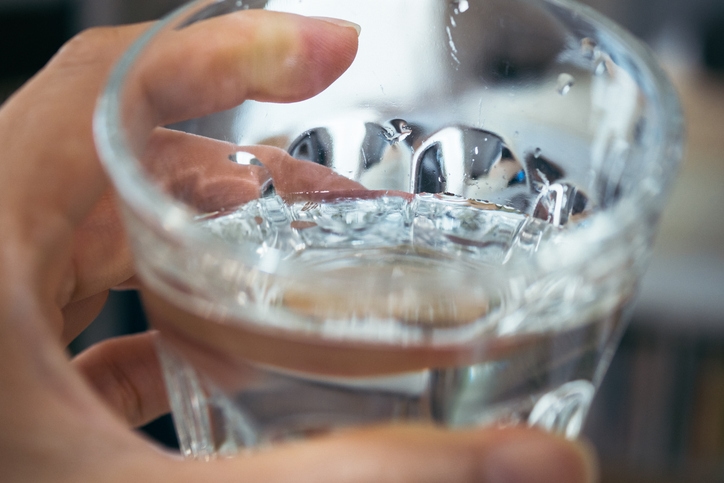
1. Stay hydrated
Drink plenty of water, even before you feel thirsty. Avoid caffeinated and alcoholic beverages, as they can contribute to dehydration.
2. Dress appropriately
Wear lightweight, loose-fitting, and light-colored clothing. A wide-brimmed hat and sunglasses can also protect you from direct sunlight.
3. Limit outdoor activities
Plan strenuous activities for cooler times of the day, such as early morning or evening.
4. Take frequent breaks
If you’re working or exercising outdoors, take regular breaks in shaded or air-conditioned areas. Give your body a chance to cool down and rehydrate.
5. Recognize early warning signs
Stay vigilant for symptoms of heat exhaustion, and act quickly to cool down before it progresses to heatstroke.