



This informational article is brought to you by VitaHealth.
Suffering from Hair Fall?
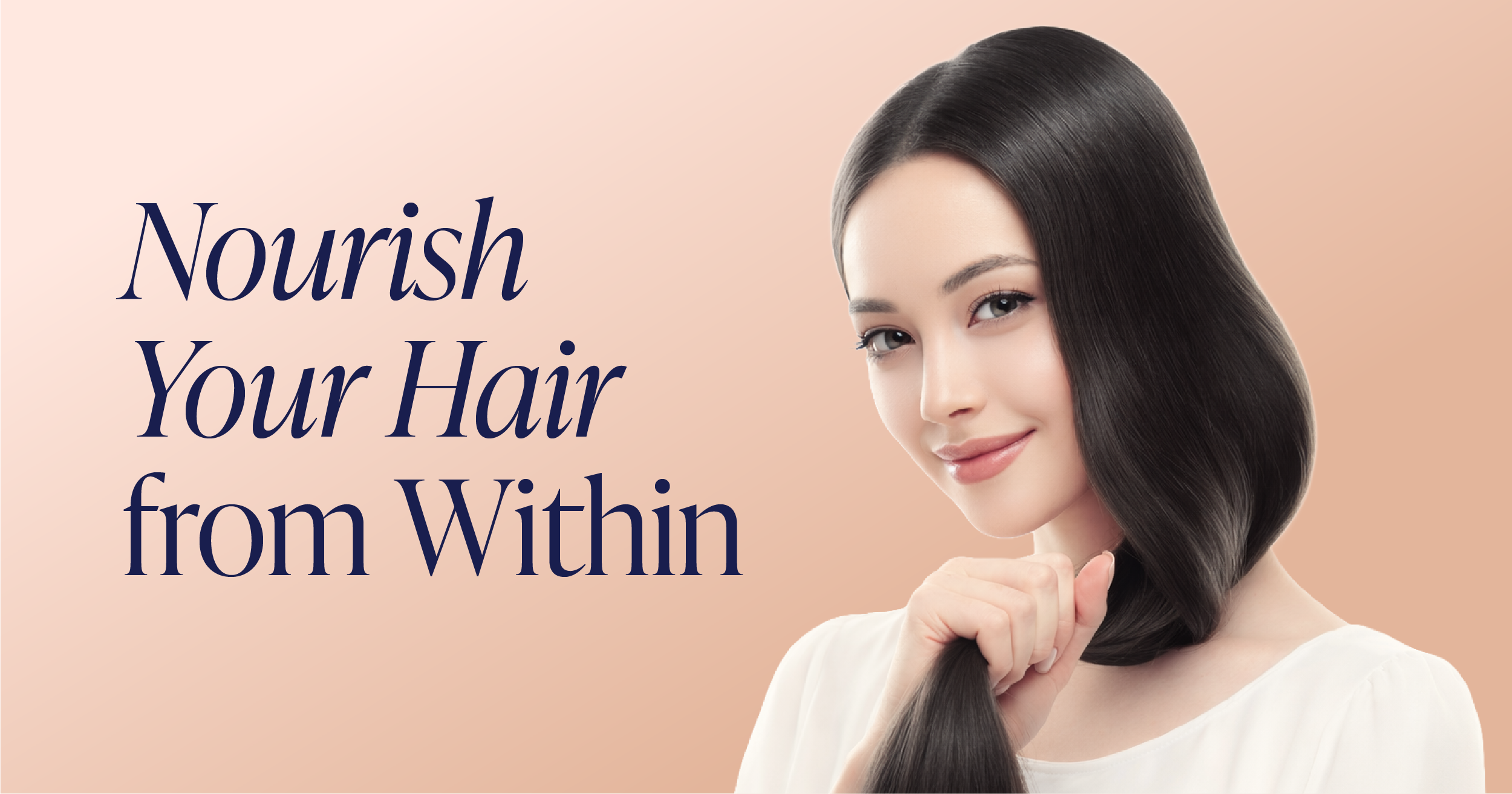
Have you noticed more hair fall than usual lately? While it is normal to lose some hair every day, excessive hair fall can be worrying. It is often a sign that your body is under stress, not getting enough rest, or not getting enough nutrients. Modern lifestyles, long working hours, irregular meals, and emotional stress can all affect your overall health, and your hair is often one of the first places where these changes begin to show.
Environmental pollution, frequent heat styling, tight hairstyles, and harsh chemical treatments can further weaken the hair and damage the scalp, making hair more prone to breakage and hair fall. While shampoos, serums, and conditioners can help improve the appearance of your hair on the outside, they may not address the root cause of the problem. Healthy hair growth begins from within. With proper nutrition, enough rest, and the right care, you can support stronger, healthier hair and reduce excessive hair fall over time.
Common Hair Problems
Hair concerns can appear in different ways, and many people experience more than one issue at the same time, including:
- Hair loss
- Grey hair
- Hair thinning
- Frizzy hair
- Split ends
- Lacklustre hair
While these hair problems may seem small at first, over time they can affect your overall appearance and confidence, especially when hair starts to lose its volume, strength, and shine.
Nutrition for Healthy Hair
Unlike the skin, hair cannot repair itself once it is damaged. However, damaged hair can be replaced with new, healthy hair through proper nourishment and a healthy hair growth cycle. This is why getting the right balance of vitamins, minerals, amino acids, and phytonutrients is important to support your hair’s natural health, strength, and shine.
- Amino acids – Amino acids such as cysteine, lysine, and methionine help support hair growth, strengthen hair strands, and improve overall hair strength and texture.
- Phytonutrients – Wheat germ oil, safflower oil, and lecithin restore shine, nourish the scalp, restore natural shine, and maintain a healthy scalp environment, which is important for healthy hair growth.
- Vitamins – B vitamins, vitamin C and vitamin E supports hair growth and scalp helth. PABA (para-amino benzoic acid) may help support natural hair pigmentation.
- Minerals – Zinc, iodine, selenium, copper, manganese and silica help support strong hair strands and reduce hair fall and split ends.
Healthy hair is not achieved overnight, but with the right care, proper nutrition, and a healthy lifestyle, you can support stronger, shinier, and more beautiful hair over time. Remember, true beauty starts from within, and when you nourish your body well, it shows in your hair, skin, and overall confidence.
Frequently asked questions (FAQs)
- Who should consider taking hair growth supplements?
Hair growth supplements are suitable for individuals who are experiencing hair loss, thinning hair, premature greying, dandruff, or weak and brittle hair. They can also be beneficial for people with unbalanced diets, high stress, or scalp issues that may affect healthy hair growth. - What should I look for when choosing hair growth supplements?
Choose a hair growth supplement that contains a balanced blend of amino acids, B vitamins, essential minerals, and phytonutrients to support healthy hair growth and scalp health. It is also important to select a trusted brand that ensures quality and safety. - Can hair growth supplements be taken long-term?
Hair growth supplements are generally safe for daily, long-term use when taken according to the recommended dosage. However, individuals with existing medical conditions or those on medication should seek advice from a healthcare professional before use. - Should I take hair growth supplements if I already use hair oils or serums?
Topical products such as oils and serums help nourish and protect the hair externally. Hair growth supplements work from within by providing essential nutrients that support hair growth, scalp health, and stronger hair roots. Combining both can help support healthier hair more effectively. - What is the best time to take hair growth supplements?
Hair growth supplements are recommended to be taken with meals for better absorption and comfort. Taking them daily and consistently helps support stronger, more resilient, and healthier-looking hair over time. - Are hair growth supplements only for people with hair problems?Hair growthsupplements can be taken not only to address hair concerns, but also to maintain healthy, strong hair and support overall hair health through proper nutrition.
This informational article is brought to you by VitaHealth.