




This informational article is brought to you by VitaHealth.
Understanding Your Gut Microbiota Balance
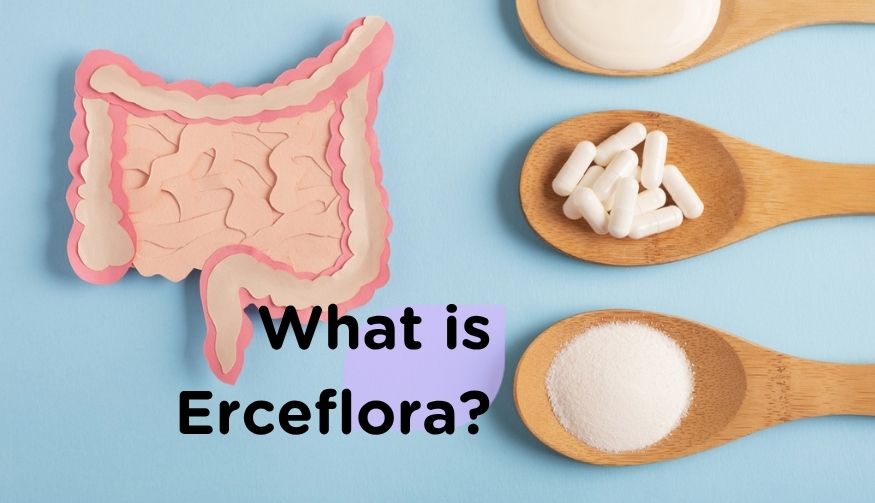
Your gut is home to a living world known as the gut microbiota. Even though you cannot see it, this community weighs around 1 to 2 kilograms and contains nearly 100 trillion microorganisms. In fact, the number of bacterial cells in your body is higher than the number of human cells.
Most of these bacteria are beneficial and are important for your health. A healthy gut should have about 85% good bacteria and 15% bad bacteria. When this balance is right, your digestion feels comfortable, your immune system stays strong, your skin appears healthier, and your body feels more energised. But when the balance is disturbed and bad bacteria start to outnumber the good bacteria, your body may start to feel different.
Daily Habits That Can Disrupt Gut Health
The balance of bacteria in your gut is shaped by your daily routine. Some habits can slowly reduce good bacteria and disturb the natural balance in your digestive system.
Factors that may negatively affect gut health include:
- High stress levels
- Poor dietary choices
- Frequent use of antibiotics
- Lack of exercise
- Smoking
- Regular alcohol consumption
Warning Signs of Poor Gut Balance
When harmful bacteria begin to outnumber beneficial bacteria in the gut, the body may start to react. These signs may develop gradually and are often overlooked. Possible signs include:
- Constipation, diarrhoea or bloating
- Fatigue
- Mood swings
- Skin problems such as eczema
- Brain fog
- Unexplained weight changes
Probiotics and Prebiotics: A Powerful Duo for Gut Health
Probiotics are the beneficial bacteria that help maintain balance in your gut, while prebiotics are the fibres that feed these bacteria and help them grow. When taken together, they form synbiotics, working as a team to support not just gut health, but overall wellbeing.
When your gut bacteria are balanced, your whole body feels the difference:
- Better digestion: Reduce bloating and support regular bowel movements
- Stronger immunity: Protect the body by strengthening the gut barrier
- Improved nutrient absorption: Help the body absorb important nutrients for daily energy
- Clearer skin: Reduce inflammation that may be linked to skin problems such as acne or eczema
Taking care of your gut today helps support your overall health in the long run, starting from within.
Frequently Asked Questions (FAQs)
- Who should consider taking probiotic supplement?
Probiotic supplement is helpful for individuals who experience digestive discomfort such as bloating, constipation, or diarrhoea, or for those who want to support their immune health. They are suitable for people of all ages and can be taken as part of maintaining a healthy gut and overall wellbeing. - Can probiotic supplement be taken long-term?
Yes, probiotics supplement can be taken daily and are generally safe for long-term use when taken as recommended. Probiotic strains such as Lactobacillus and Bifidobacterium have been studied and shown to be safe for regular consumption. If you have any health concerns or a weakened immune system, consult a healthcare professional before starting.
- How do I choose a good probiotic supplement?
When choosing a probiotic supplement, look for products that contain well-researched strains and provide an effective amount of live bacteria, measured in CFU (colony-forming units). Supplements that also include prebiotics, known as synbiotics, can provide additional benefits by helping good bacteria grow. For convenience, you may also choose a product that is stable at room temperature. Always select a trusted brand that ensures quality and safety. - What are probiotics and prebiotics, and should they be taken together?
Probiotics are live good bacteria that help balance the gut environment, while prebiotics are fibres that feed these beneficial bacteria and help them grow. When combined, they form synbiotics, which work together to support digestion, nutrient absorption, and immune health more effectively. - Is food alone enough to provide probiotics?
Foods like yoghurt, kefir, kimchi, and sauerkraut are natural sources of probiotics. However, the number and types of bacteria in these foods can vary, and not all bacteria survive stomach acid. Probiotic supplement provides consistent amounts of specific probiotic strains that are known to support gut and immune health.
This informational article is brought to you by VitaHealth.